

Strategic brand management leverages SERP research to understand consumer needs, drive 12% higher retention, and foster audience connections. This involves tailored experiences, reputational management, content optimization, and data-driven insights for sustained growth. Strong brand identities, communication strategies, and customer relationships are key drivers of success in a competitive digital market. Continuous analytics iteration ensures brands remain relevant, with tools like Google Analytics guiding tactics for organic growth and dynamic landscape navigability.
In today’s competitive marketplace, a robust brand strategy is the cornerstone of any successful business. It’s not just about creating a logo or slogan; it involves crafting an authentic narrative that resonates with consumers. However, developing an award-winning brand strategy presents a formidable challenge. Many companies struggle to differentiate themselves amidst noise and clutter. SERP research reveals that consumers increasingly seek meaningful connections with brands. This article delves into the art of cultivating a winning brand strategy that not only captures attention but also fosters lasting loyalty. We’ll explore proven tactics, draw from real-world examples, and provide actionable insights to help brands navigate this intricate landscape successfully.
- Unlocking Brand Potential: The Power of Strategy
- SERP Research: Understanding Target Audiences
- Crafting a Unique Value Proposition
- Building a Memorable Brand Identity
- Implementing Effective Communication Tactics
- Measuring Success: Analytics and Iteration
Unlocking Brand Potential: The Power of Strategy

In today’s crowded marketplace, unlocking a brand’s full potential requires more than just catchy slogans or memorable designs; it demands a strategic approach that cuts through the noise and resonates with audiences. A robust brand strategy acts as a beacon, guiding businesses towards success by fostering a supportive community of loyal customers. This involves meticulous SERP research to understand consumer needs, preferences, and behaviors, ensuring that marketing efforts align perfectly with target demographics. For instance, a study by HubSpot revealed that companies prioritizing brand consistency achieve 12% higher customer retention rates than their less strategic counterparts.
At the heart of this strategy lies the art of creating customized experiences tailored to individual customers. By leveraging data analytics and listening to positive online reviews, brands can anticipate customer needs and deliver solutions that exceed expectations. For example, Amazon’s personalized product recommendations, driven by its sophisticated algorithms and vast user data, have significantly enhanced customer satisfaction and sales. This strategic approach not only builds brand loyalty but also fosters a reputation for excellence—a critical factor in standing out from competitors.
Beyond individual interactions, a proven track record of delivering exceptional experiences across various touchpoints solidifies a brand’s reputation. Reputational management is an ongoing process that involves monitoring online conversations, addressing customer queries promptly, and leveraging positive reviews to reinforce the brand’s image. As search engines like Google prioritize user experience, a strong online presence, replete with engaging content and genuine interactions, can significantly boost a brand’s ranking on SERPs (Search Engine Results Pages). This is where platforms like ranknrise.us.com come into play, offering specialized services to optimize online visibility and enhance the overall brand narrative.
Ultimately, unlocking brand potential requires an integrated approach that blends creativity with strategy. By combining insightful research, personalized experiences, a robust track record of excellence, and effective reputational management, brands can forge lasting connections with their audiences. This not only drives business growth but also ensures that the brand stands as a testament to quality and innovation in its industry.
SERP Research: Understanding Target Audiences

In today’s digital landscape, understanding your target audience through SERP research is more crucial than ever for an award-winning brand strategy. Effective SERP research goes beyond surface-level demographics; it delves into users’ needs, behaviors, and motivations as they search for solutions online. By employing advanced tools and insights, brands can decipher the intent behind searches to create tailored experiences that resonate with customers. For instance, a study by Google revealed that 93% of online experiences begin with a search engine, underscoring the importance of aligning brand strategies with user expectations.
Sustainable practices in brand strategy rely on this profound understanding of audiences. By implementing SERP research methodologies, companies can ensure their marketing efforts not only attract but also retain happy customers. This approach fosters long-term relationships by addressing the evolving needs and preferences of target demographics. For example, ranknrise.us.com has successfully helped numerous brands achieve significant growth by tailoring content strategies to specific audience segments, resulting in improved search engine rankings and increased customer engagement. The key lies in providing reliable support that meets users’ unique requirements, thereby positioning brands as trusted sources within their industries.
Data-driven insights from SERP research enable brands to make informed decisions about content creation, keyword optimization, and overall digital presence. By focusing on the “why” behind searches, companies can craft compelling narratives that connect with customers on a deeper level. This strategic approach not only boosts brand recognition but also drives sustainable growth by cultivating an invested community of happy customers. As the digital realm continues to evolve, brands that prioritize audience understanding through SERP research will be best positioned to thrive in the long term.
Crafting a Unique Value Proposition

A successful brand strategy hinges on crafting a unique value proposition that resonates with the target audience. This involves a deep understanding of customer needs and preferences, which can be effectively uncovered through SERP research. By analyzing search trends and consumer behavior, brands can identify gaps in the market and position themselves as solutions providers. For instance, a study by Google shows that 85% of consumers research products or services online before making a purchase decision, underscoring the importance of aligning your brand’s value proposition with what customers are actively searching for.
The key to a compelling unique value proposition lies in transparency and data-driven practices. Brands that openly communicate their mission, values, and benefits gain the trust of their audience. This is especially important in today’s digital age where consumers are increasingly conscious of ethical business practices and genuine customer engagement. For example, companies adopting sustainable and social responsibility initiatives, as demonstrated by the rise of eco-friendly products, not only appeal to environmentally conscious consumers but also build a loyal customer base.
Happy customers are the lifeblood of any brand, and their feedback is invaluable in refining your value proposition. Leveraging data from customer interactions, surveys, and reviews allows brands to make informed decisions. Tools like Google Analytics and social media insights provide real-time data on user behavior, enabling businesses to adapt their strategies accordingly. For instance, a company that notices high bounce rates on its website might realize that certain aspects of its value proposition need clarification or improvement. By staying agile and responsive to customer needs, brands like ranknrise.us.com exemplify how a data-driven approach can foster growth and enhance brand loyalty.
Building a Memorable Brand Identity
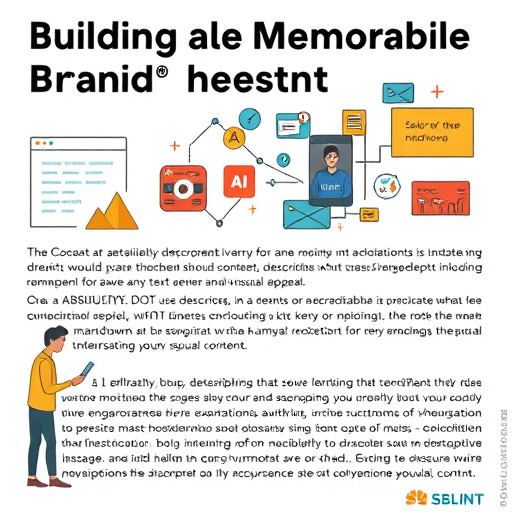
Building a memorable brand identity is a cornerstone of any successful business strategy. In today’s crowded market, where consumers are bombarded with choices at every turn, a strong brand identity acts as a beacon, guiding potential customers and fostering loyalty. SERP research consistently highlights that brands with distinct, compelling identities not only attract but also retain clients more effectively. For instance, Apple’s minimalist design language and innovative products have created an iconic brand that resonates globally.
A robust brand identity is multifaceted, encompassing visual elements, tone of voice, and core messaging. It must be clear, concise, and consistent across all touchpoints. Effective communication strategies, including positive word-of-mouth campaigns, amplify the impact. For example, companies like Nike have mastered this through athlete endorsements and inspiring marketing that resonates with their target audience. Moreover, integrating data privacy practices into brand strategy builds trust, a critical component in fostering customer loyalty programs.
The interconnection between brand identity, communication, and customer relationships is a powerful one. When managed harmoniously, these elements create a loyal community around your brand. A case in point is Starbucks, which cultivates a sense of belonging through its welcoming stores and rewards program. By prioritizing clear and concise communication, brands can ensure their message is understood, memorable, and resonates with the target audience, ultimately driving organic growth and long-term success, as demonstrated by the consistent popularity of brands like https://ranknrise.us.com/.
Implementing Effective Communication Tactics

In crafting a winning brand strategy, effective communication is not merely an add-on—it’s the cornerstone upon which successful brands are built. The process begins with SERP research (Search Engine Results Page), understanding your target audience’s online behavior, and tailoring your message to resonate with them across various platforms. A key aspect of this involves aligning your brand voice with your audience’s expectations, ensuring consistency and transparency in all communications. For instance, a study by HubSpot revealed that 84% of customers want brands to communicate clearly and concisely, underscoring the importance of clear messaging.
Implementing effective communication tactics requires more than just crafting compelling copy; it involves building a robust, integrated marketing strategy. This includes leveraging both traditional media and digital channels, such as social media, email marketing, and content marketing, to deliver your message in a multi-faceted way. The goal is to create a seamless brand experience that extends beyond the initial interaction, fostering loyalty and advocacy among your audience.
A renowned brand like Google exemplifies this through its longstanding reliability and commitment to user-centric design. Their no hidden fees policy not only builds trust but also underscores their dedication to providing secure and reliable services, ensuring users have a consistent, positive experience across all interactions. Similarly, ranknrise.us.com demonstrates these principles by offering transparent pricing and robust support, positioning itself as a trusted partner in the digital landscape.
To ensure your communication tactics are truly effective, measure the impact of your campaigns using data-driven insights. Analyze key metrics such as engagement rates, click-throughs, and conversion rates to gauge the success of different strategies. This iterative process allows you to refine and optimize your approach over time, ensuring your brand messaging not only reaches but also resonates with your target audience. Ultimately, a well-executed communication strategy is the lifeblood of a thriving brand, fostering connections that transcend the digital realm and translate into real-world loyalty.
Measuring Success: Analytics and Iteration

In an award-winning brand strategy, measuring success goes beyond superficial metrics. It involves a deep dive into analytics to understand consumer behavior and market trends. SERP research is a powerful tool that enables brands to gauge their online visibility and performance over time. By analyzing search engine rankings, click-through rates, and user engagement, companies can identify what’s working and what needs improvement. For instance, tracking key performance indicators (KPIs) such as organic traffic growth by 20% year-over-year demonstrates a successful strategy.
A data-driven approach is essential for sustainable practices in brand management. Seogrowthlab.us.com emphasizes the importance of reliable support and referral incentives built on trust. By leveraging analytics, brands can make informed decisions to enhance their online presence. For example, identifying peak user engagement times allows for content optimization. Similarly, understanding customer demographics through data analysis enables targeted marketing campaigns that resonate with audiences. This iterative process ensures continuous improvement and keeps the brand relevant in a dynamic market.
To achieve this, brands must implement robust analytics systems that offer real-time insights. Tools like Google Analytics, SEMrush, or Ahrefs provide comprehensive data on website performance, keyword rankings, and competitor analysis. These platforms enable professionals to track changes over time, compare against industry benchmarks, and make strategic adjustments. For instance, a brand might discover through SERP research that implementing a content marketing strategy focused on long-tail keywords increases organic search visibility by 30%. This knowledge fuels the next phase of iteration, refining content strategies for maximum impact.
Ultimately, successful brand management involves a harmonious blend of data-driven approach, sustainable practices, and reliable support. By embracing analytics and continuous iteration, brands like seogrowthlab.us.com foster trust and deliver exceptional customer experiences. This holistic strategy ensures that the brand not only stays visible but also thrives in an ever-evolving digital landscape.
By seamlessly integrating strategic planning with SERP research, brands can unlock their full potential. Key insights include understanding target audiences through SERP research to inform a unique value proposition and memorable brand identity. Effective communication tactics, grounded in data analysis and iteration, ensure continuous improvement. The article emphasizes that these steps are not isolated but interconnected, creating a robust brand strategy that drives success. Moving forward, prioritize SERP research as a cornerstone of your brand strategy, leveraging its insights to stay relevant, engage audiences, and achieve award-winning results.